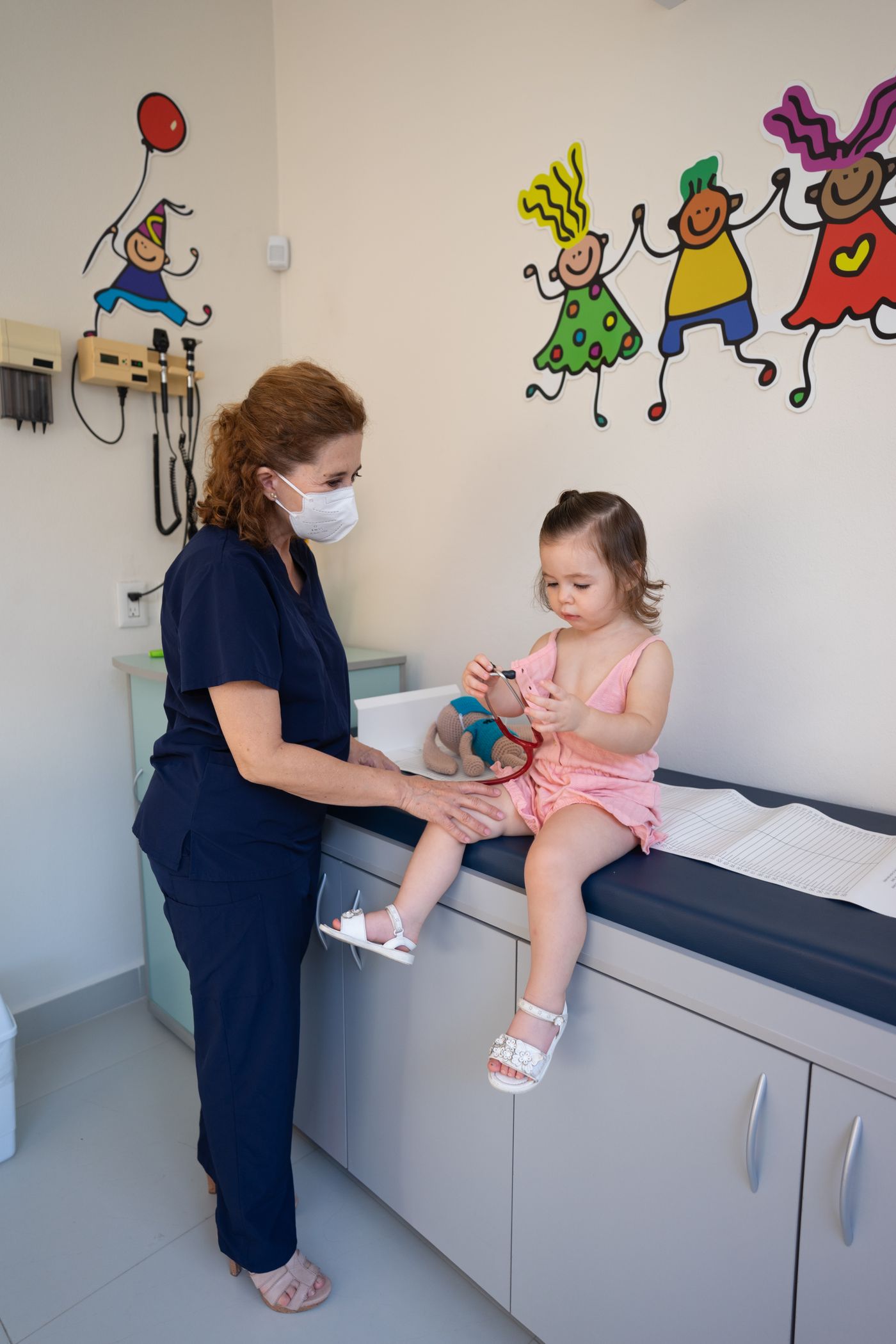
Sickle cell disease deserves awareness that goes beyond a single dramatic moment. For families, understanding a child's care can involve specialist appointments, daily routines, practical planning and questions about access. For a charity, useful support begins by listening to those needs rather than treating every family as if it has the same story. This guide explains the condition briefly and then focuses on the practical work of designing clear, respectful funding support.
Understanding the condition The National Heart, Lung, and Blood Institute describes sickle cell disease as an inherited condition involving haemoglobin, the protein in red blood cells that carries oxygen. Affected cells can become rigid and sickle-shaped, disrupting blood flow and causing pain and organ damage. Sickle cell trait and sickle cell disease are different; a clinician or genetic counsellor can explain what a particular result means for a family.
The condition is not a judgement about a parent's care or a child's effort. An awareness page should explain inheritance without assigning blame. Families may have questions about their child's results, relatives' testing or future pregnancies. Those questions need qualified advice and a private setting, not speculation in a campaign's comments.
Care is individual and specialist-led NHLBI describes a range of approaches, including medicines, blood transfusions and specialist-led management of symptoms and complications. For selected patients, a blood or bone marrow transplant or gene therapy may be considered. Those options are complex and depend on individual eligibility, risks and access to specialist centres. They are not universal solutions, and this guide does not recommend a treatment.
NHLBI also notes that transplant and gene therapy can require specialised care, hospital stays and costly medicines. A phrase such as “a one-time treatment” should not be taken to mean a simple appointment without preparation, monitoring or follow-up. The linked current treatment resource should take precedence over the older awareness webinar on this page when reading about available options.
Look beyond a headline price A fundraising appeal can become misleading when it presents one large price as the whole story. Before publishing a target, a campaign should establish exactly what the proposed support is for. It might concern a prescribed medicine, a provider invoice, an agreed period of continuing care or a specific next step identified by the care team. The cost and clinical appropriateness of an option are separate questions.
A useful explanation gives the date and currency of the estimate, the scope of support and the process for authorising payments. It should say whether the amount is confirmed or provisional. If a campaign discusses an advanced treatment, it should not imply that reaching a target establishes eligibility. A charity can help address a financial barrier while leaving assessment and treatment decisions with qualified professionals.
Make room for the family's priorities The person writing an appeal should not assume that the most compelling story is the one the family wants to tell. Start by asking what they are comfortable sharing. They may prefer a broad description of treatment support rather than a detailed account of pain episodes or past hospital stays. That preference should be respected even if a more intimate story might draw more attention.
An approved public summary can explain the purpose of the support without becoming a medical biography. A separate secure review process can handle documentation needed for programme decisions. This separation gives a family more control over its story and prevents donors from expecting access to private records as a condition of helping.
Plan communication that a family can use A programme should tell families whom to contact about funding questions and which questions belong with their care team. It should explain what information it needs, why it needs it and how decisions are communicated. A request for documents should never be disguised as a guarantee that support will follow. Clear steps are kinder than an uncertain series of promises.
For a family making its own notes, a simple list can help keep conversations separate: clinical questions, appointment arrangements, invoices, support requests and consent choices. This is an organisational suggestion rather than a clinical plan. The care team remains the place to discuss symptoms, medicines and urgent concerns. An educational website should never become a substitute for that relationship.
Give supporters something specific to understand People who want to help often need a clear purpose rather than a dramatic appeal. A campaign can state what amount is being requested, what approved cost it would meet, who would receive payment and what happens if circumstances change. The explanation should avoid promising that every contribution pays directly for a particular medicine unless that allocation is actually established.
If support is pooled, say that it is pooled. If some costs relate to administration or payment processing, disclose those costs according to the programme's approved terms. If a donor chooses a category, explain the limits of that choice. These details turn generosity into an understandable agreement and reduce the risk of a donor imagining a different use of funds.
Build continuity into the conversation A family's needs may not fit neatly into one public campaign. When designing a programme, consider how a request is reviewed again if its estimate changes, how additional support would be considered and how the programme closes a completed allocation. These are governance choices that should be made before an appeal starts, not improvised when a donor asks a difficult question.
A clear close-out note can explain the funding result and any remaining balance without claiming an unverified medical outcome. An update can be meaningful even when it says that a plan changed or a payment is still under review. Supporters deserve an accurate account, and families deserve not to be pressured into a cheerful ending for the sake of the campaign.
A checklist for responsible sickle cell support - Use a specific, approved description of the funding purpose. - Keep clinical eligibility separate from the amount being raised. - Identify the recipient category and authorisation process for payments. - Agree what information the family permits to be shared publicly. - Explain how revised costs, unused funds and donor questions will be handled. - Link to current medical guidance rather than relying solely on an older video.
Our intended role Hope With Kindness aims to help children access care when the cost is beyond a family's reach. Our proposed role is financial support and coordination with suitable providers or charities under clear arrangements. We do not diagnose sickle cell disease, select a child's treatment or promise access to a particular therapy. Programme details and allocation terms must be published before live fundraising opens.
Awareness is useful when it leads to careful action. Share a reliable educational resource, listen without blame, respect the family's privacy and ask for clarity about any appeal you support. The goal is not to make a child perform suffering for an audience. It is to help build a route from a documented need to practical, accountable support.
Common questions ### Is every child eligible for gene therapy? No. Eligibility and suitability require specialist assessment. Do not infer eligibility from a fundraising target or a video.
Can a charity choose the treatment? Clinical decisions belong with qualified professionals and the family. A charity should define the financial support it can consider without presenting itself as a treatment provider.
Is the awareness video current medical advice? No. The featured 2019 NHLBI webinar is historical awareness material. Read the current NHLBI treatment page and speak with a clinician about individual care.
Serving the Sickle Cell Disease Community Here and Abroad
NHLBI · 2019 webinar. External educational material; not a Hope With Kindness treatment service.
Playing loads YouTube. You can also watch on its website.
Watch on YouTube ↗Sources and further reading
Sources checked 8 October 2026. Written by Hope With Kindness editorial; not independently clinically reviewed. General education, not individual medical advice. Consult a qualified professional for a child’s care.
Explore your gift of hope.
Choose USD, CAD, EUR or GBP on our donation page. Payments remain closed until Stripe and programme terms are ready.
Open donation checkout ↗Understand our funding pathway →