Eye-health awareness can help families recognise when a concern deserves professional attention. It can also help supporters understand why specialist assessment and a clear care plan matter. Retinoblastoma is a serious subject, and awareness content must avoid turning a photograph or an online description into a diagnosis. This guide offers a brief sourced overview and then focuses on the practical questions families and donors can ask about access to care.
What the official guidance says
The National Eye Institute describes retinoblastoma as a rare cancer of the retina, most common in young children. Signs can include a white-looking pupil in light or photographs, crossed eyes and other eye changes. NEI advises contacting a child’s doctor right away when signs are noticed. A sign has to be assessed by a professional; this article cannot determine its cause. Treatment choices depend on the individual case and require specialist care.
If you are concerned about a child’s eye appearance, contact their doctor rather than asking a fundraising audience to interpret images. A social-media comment thread cannot establish a diagnosis or decide whether a child needs treatment. Awareness should direct people toward appropriate care, not create a public guessing process around a child’s health.
Separate awareness from a personal case
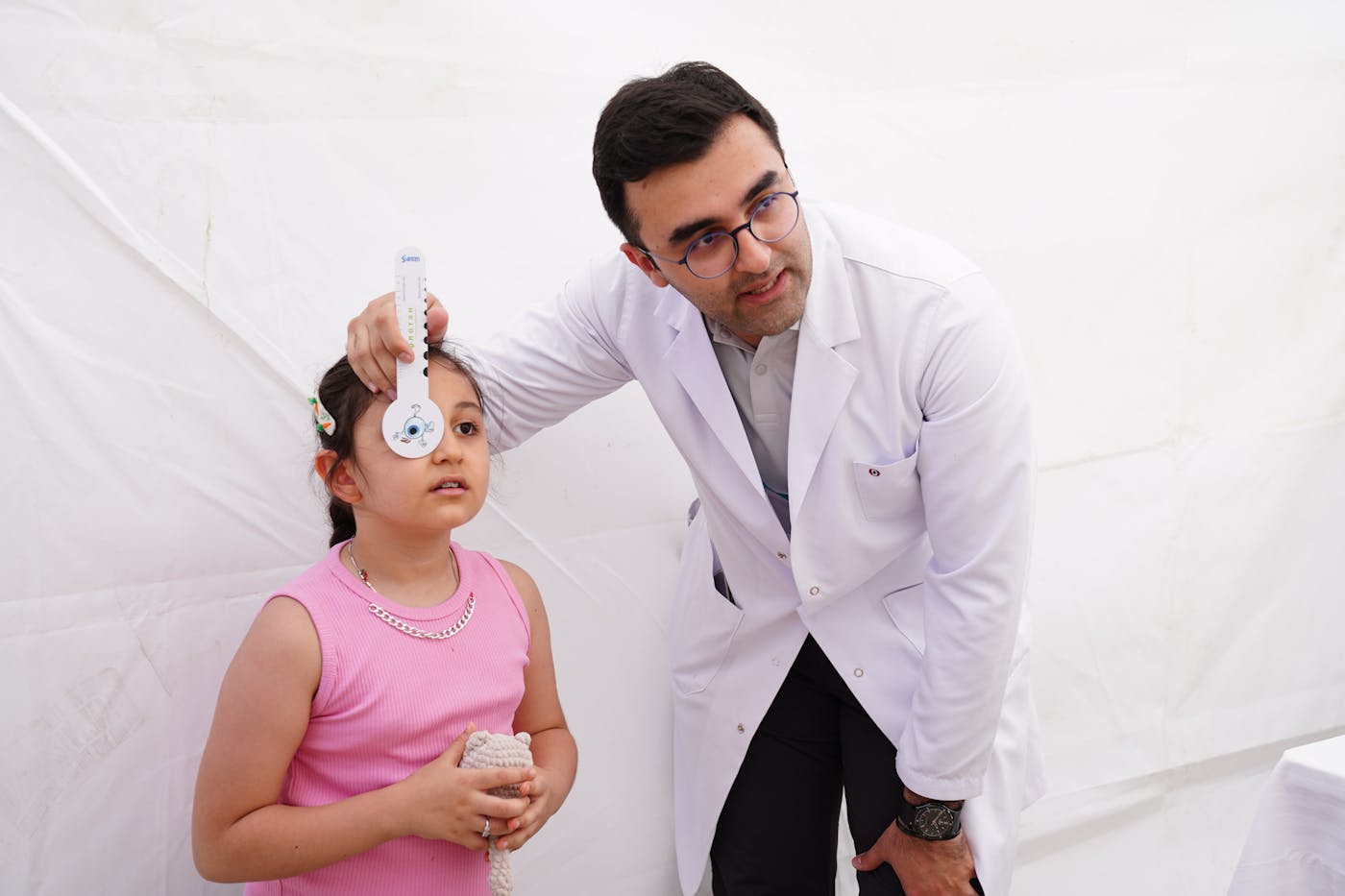
An educational article can discuss a condition without claiming that a particular child has it. Images used to illustrate that discussion should be described accurately. Stock photography must not be labelled as a funded patient or used to imply a diagnosis in the person shown. The distinction is especially important when an image could be interpreted as a medical example.
For a real campaign, the family and relevant professionals need to establish which statements are accurate and appropriate to share. A diagnosis does not automatically make the supporting documents public. The organiser should publish the approved explanation of the funding purpose and retain any necessary records through an appropriate private process.
Preparing questions for the specialist team
Families may want to ask who will explain the assessment, what the next planned step is and which professional coordinates appointments. They can also ask how to contact the team with new concerns. These are organisational questions that help a family understand the route through care. The team should answer clinical questions about testing, treatment options and individual risks.
Take time to write down unfamiliar terms and ask for explanations in plain language. If an interpreter or accessible format would help, ask the provider about available arrangements. A supporter can assist with note-taking only if the family wants that help. They should not speak on the family’s behalf or disclose the conversation to donors without permission.
Describe the request by its purpose
A funding request should identify whether it concerns an assessment, a particular treatment stage or another approved service. It should distinguish a confirmed provider estimate from an amount that still needs checking. This allows supporters to understand what their gift is intended to address without using an overly broad promise such as paying for every part of care.
Ask the provider’s billing staff what is included in the estimate and which items are separately billed. Confirm the currency and date. If travel or accommodation is relevant to the requested support, list it separately and explain whether it is included. None of these categories should be assumed merely because another family’s campaign included them.
Handle urgency carefully
Serious illness can create a legitimate need for timely care. Campaign communication should explain a verified deadline rather than invent a countdown to pressure donors. A family’s medical team should establish the clinical timetable. An organiser can then explain the financial purpose and what is known about the requested payment date.
Supporters should be able to ask questions even when the need is urgent. Clarity does not make an appeal less compassionate. It helps donors understand the action they are being asked to take and prevents a child’s health from being presented as a simplistic consequence of one person’s decision to give or not give.
Consider follow-up and changing needs
A budget should explain what follows the funded step and what is outside the current scope. Ask the care team about the planned follow-up and the billing staff about its financial arrangements. A campaign should not promise that one funded service means no further care will be needed. Its responsibility is to describe the approved funding purpose accurately.
If the care plan changes, report the effect on the appeal using approved information. Explain whether the estimate was revised and how the organisation’s published rules apply. It is possible to tell supporters that a funding allocation changed without disclosing the clinical details behind every decision. Privacy and financial accountability can work together.
Protect the child’s future story
An appeal can remain searchable long after a treatment stage ends. Consider whether the content gives away more than is necessary and whether the child might later want it removed or changed. Avoid publishing identification documents, full dates of birth, addresses or images of unredacted paperwork. Use a consent process suited to the particular story and the intended channels.
Relatives can help by sharing only the approved link. They should avoid posting screenshots from private family updates or creating new captions that speculate about vision or recovery. The child’s wellbeing is more important than reaching a larger audience through an increasingly dramatic version of the story.
Make an informed decision about support
Before giving, identify the organisation and read the funding terms. Look for the proposed recipient, the budget scope and the reporting arrangements. A donation is not a guarantee of medical success, and an educational source link is not an endorsement of the fundraising organisation. Ask for clarification if those roles are unclear.
Hope With Kindness is preparing its programme and secure checkout. Visitors can explore donation amounts in USD, CAD, EUR and GBP, but no payment is currently collected. This guide is an awareness resource rather than a patient appeal. Its purpose is to make questions clearer and encourage appropriate professional assessment when families have concerns about a child’s eyes.
Explore treatment fundraising.
Surgery, medicine and cancer fundraising →Request treatment support →Sources and further reading
Sources checked 8 October 2026. Written by Hope With Kindness editorial; not independently clinically reviewed. General education, not individual medical advice. Consult a qualified professional about a child’s care.
Explore your gift of hope.
Choose USD, CAD, EUR or GBP on our donation page. Payments remain closed until Stripe and programme terms are ready.
Open donation checkout ↗Understand our funding pathway →