Children's eye health belongs in a conversation about access to care. Not every vision problem is life-threatening, but seeing clearly can matter to a child's everyday experience of learning, playing and moving through the world. A responsible charity should describe each need accurately instead of grouping every condition under the same urgent label. This guide introduces one childhood vision condition and then explores practical questions about eye-care access, family communication and funding support.
Why awareness needs precision An eye-health appeal should say whether it concerns an examination, glasses, a prescribed treatment, an operation or follow-up care. These are different needs. A general image of a child at a clinic cannot establish a diagnosis, and a broad statement about vision cannot explain an individual treatment plan. Begin with a qualified provider's assessment and a description the family has approved.
Precise language also protects a family from unnecessary fear. An awareness page should not label every difficulty with seeing as a serious disease, or imply that every child needs surgery. It can encourage appropriate professional assessment while leaving diagnosis and recommendations to an eye-care professional. The purpose of an educational guide is to make a conversation easier, not to replace the examination.
Amblyopia in brief The National Eye Institute describes amblyopia as reduced vision that develops when the brain and an eye do not work together normally. It commonly affects one eye and can be difficult for parents to notice. NEI recommends at least one vision screening between ages three and five. Treatment depends on the cause and may include glasses, a patch or prescribed eye drops. Early treatment matters.
These examples are not instructions for treating a child at home. The provider should assess the problem, explain the plan and determine follow-up. Do not begin patching or use eye drops based on this article. The NEI page linked below offers a fuller explanation of the condition, and the educational video introduces vision and glasses more generally; it is not a video about an individual child's diagnosis.
Ask what the next step actually is Families and supporters can both benefit from a clear explanation of the next step. Is an assessment needed before a treatment estimate can be produced? Has a prescription been issued? Is the appeal intended to cover an operation or the care after it? What is still uncertain? These questions should be answered before a public target is presented as a complete plan.
An estimate should identify the service, date, currency and recipient of any intended payment. If glasses are the proposed support, the campaign should not imply that it is funding a surgical intervention. If an operation is under consideration, the campaign should not claim it is guaranteed to happen or succeed. Clear descriptions allow supporters to understand the purpose without making medical decisions for the child.
Think about access as a sequence A funding programme can map the steps between a request and the proposed service. The sequence might begin with a reviewed request, move to an approved estimate and payment, and end with an appropriate funding update. What matters is that each step has a responsible person and an understandable purpose. A map should show the proposed administrative pathway rather than invent a clinical timetable.
Families should know whether support is open, what the programme can consider and what falls outside its scope. A website should not ask them to send records into an unconnected form or suggest that an enquiry secures treatment. Publishing accurate contact routes and eligibility information is more useful than a large “apply now” button that leads nowhere.
Make the written information accessible too A website discussing eye health should pay attention to its own presentation. Use readable text sizes, meaningful headings, sufficient contrast and clear link labels. A person navigating with a keyboard should be able to reach the same controls as someone using a mouse. Images should have descriptions that explain their purpose rather than repeat a file name.
Video should be optional, with a direct link available if an embed does not load. Avoid making essential information available only inside an animation or a video. A visitor should be able to pause, read and return to a section at their own pace. These choices help make the information useful to more people and keep visual polish from becoming an obstacle.
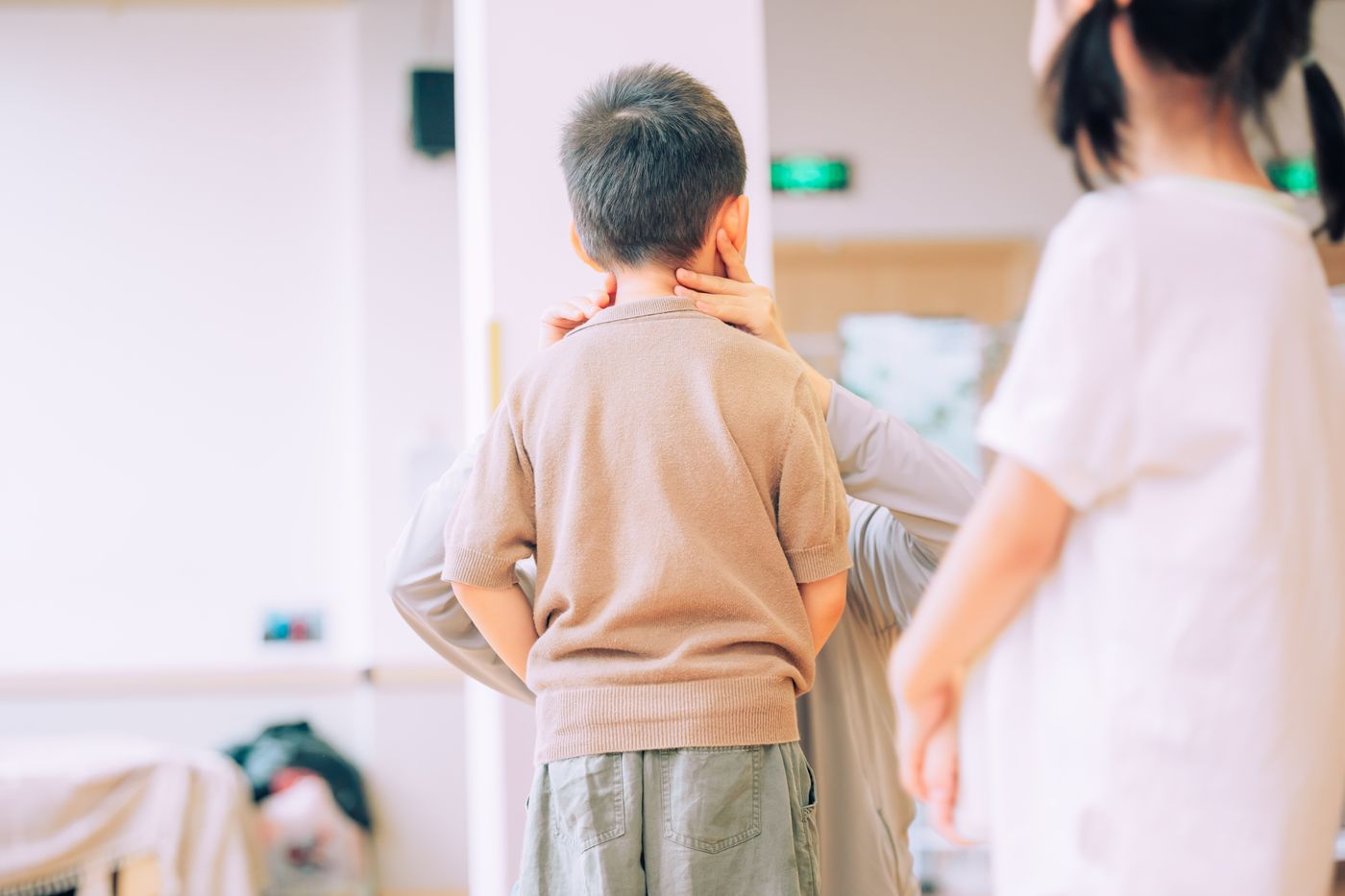
Respect the child in photographs and stories Stock photographs can illustrate a topic, but they do not document a funded case. A caption should make that distinction without turning the page into a gallery of credits. For a real family story, obtain approval for the specific image, wording and channels. A child's photograph should not be treated as an interchangeable marketing asset.
Consider whether an appeal needs the child's full name, school or location. Often a funding purpose can be explained with less identifying information. Families should understand what becomes public and how they can request a change. Supporters can reinforce that approach by sharing the official page without adding private details from conversations or social media.
Report financial support without overstating an outcome A report that an approved bill has been paid is a financial update. A report that a child's vision has improved is a medical claim requiring a separate basis and permission to publish. Keeping those statements distinct protects accuracy and privacy. An organisation should not turn a photograph of a smiling child into evidence of a clinical result.
A clear funding report can describe the service category, authorised amount and payment stage. It can also explain revised estimates or funds remaining after an allocation. This level of detail helps supporters understand the programme without requiring the family to disclose examination results. Transparency should concern how the charity acts, not how much private information a child must reveal.
Questions to prepare before supporting an appeal - What specific service or prescribed item is the appeal intended to fund? - Has an appropriate provider produced a current estimate? - Which costs are included and which remain outside the request? - Who authorises and receives payment? - How will revised costs or unused funds be handled? - Has the family approved the public description and photograph?
The role of Hope With Kindness Our mission is to help children access essential care when financial barriers stand in the way. Eye-care support would require an appropriate provider assessment, an approved funding purpose and a documented process. It should not be advertised as a universal cure or confused with the specialist care needed for other illnesses. The scope of the programme must be clear before appeals open.
You can help now by sharing reliable information, asking thoughtful questions and supporting respectful discussion of access. A child should not have to be presented as helpless to be worth helping. A good programme recognises both the need for practical support and the child's ordinary right to dignity, privacy and a life beyond the campaign.
Common questions ### Are all childhood eye problems life-threatening? No. Different conditions have different implications. A qualified professional should explain the child's particular condition; this guide does not classify an individual case.
Can I diagnose a problem from a photograph? No. A photograph or online guide cannot replace an appropriate examination.
What does the video cover? The NEI video introduces vision and glasses for general education. The linked amblyopia resource covers that condition separately.
Ask a Scientist: Perfect Vision and Glasses
National Eye Institute, NIH. External educational material; not a Hope With Kindness treatment service.
Playing loads YouTube. You can also watch on its website.
Watch on YouTube ↗Sources and further reading
Sources checked 8 October 2026. Written by Hope With Kindness editorial; not independently clinically reviewed. General education, not individual medical advice. Consult a qualified professional for a child’s care.
Explore your gift of hope.
Choose USD, CAD, EUR or GBP on our donation page. Payments remain closed until Stripe and programme terms are ready.
Open donation checkout ↗Understand our funding pathway →