A fundraising story can help people understand a need, but it can also make a child’s private life visible to strangers. That visibility deserves careful thought. A compelling appeal does not require a distressed photograph, intimate records or a description that follows the child for years. This guide explains a practical approach to writing and sharing stories with respect. It is an editorial framework, not a legal opinion or a statement that every organisation already follows the same process.
Begin with the child’s interests
UNICEF’s ethical reporting guidance places children’s rights, dignity, privacy and protection at the centre of reporting. The guidance asks people telling stories to consider possible harm rather than treating public interest as sufficient justification for disclosure. For fundraising, the practical lesson is to ask whether the chosen content serves a legitimate purpose without unnecessarily exposing the child.
That question should shape the story before photographs are selected or a target is published. If a financial need can be explained with less identifying information, consider that approach. The family should understand which details are proposed and the channels where they will appear. A child’s views should be considered appropriately rather than assuming that an adult’s enthusiasm settles every question.
Consent should describe the actual use
Discuss the wording, images and intended publication channels with the family. An agreement about one appeal should not automatically become permission for every future event, advert or social post. Be specific about whether content will appear on a website, in a video or through a community campaign. Those contexts can create different levels of visibility.
Make it possible to ask questions or decline unnecessary details. Avoid making support conditional on an emotional performance or a dramatic interview. A family should not have to reveal more than the programme legitimately needs simply because a campaign designer believes personal exposure will increase donations.
Choose words that keep the person visible
Explain the approved need and funding plan in language that does not reduce a child to suffering. Avoid invented quotations, exaggerated certainty and descriptions that make a donor responsible for a promised medical outcome. A story can be moving because it is precise, humane and honest about what help is being sought.
Ordinary details can be included when the family wants them shared, but they are still personal information. Ask before naming a school, describing a daily routine or identifying relatives. The purpose is to give a reader appropriate context, not to assemble a complete biography from everything the organiser has learned privately.
Use photographs accurately
A real patient photograph needs an appropriate basis for use and careful consideration of its context. Do not publish unredacted paperwork in the background or captions containing identifiers. Consider what the image communicates beyond its immediate appearance. A picture chosen for emotional impact may reveal a private situation the family would not otherwise want widely shared.
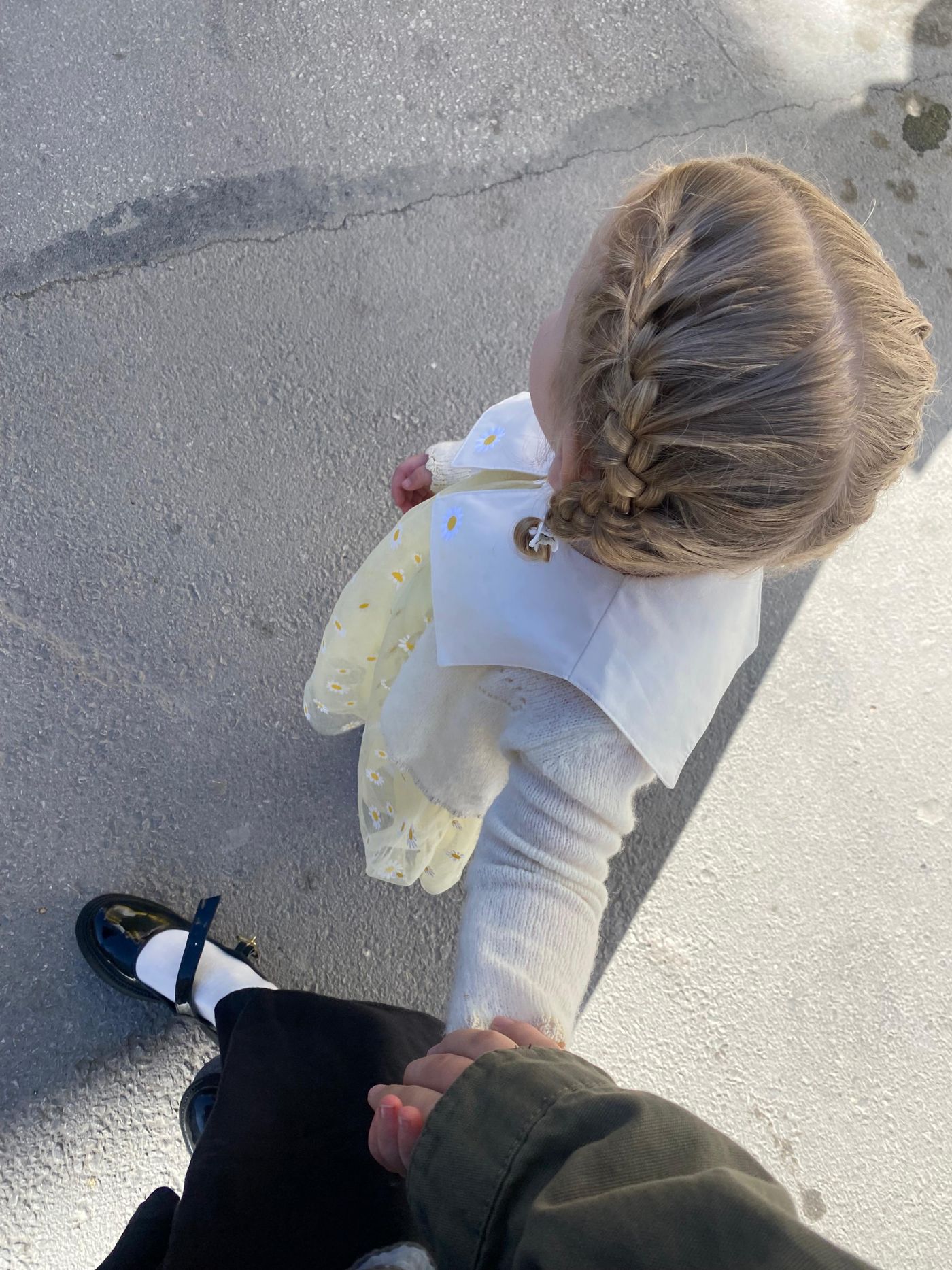
Stock photography is useful for illustrating a general mission, but it must be clearly distinguished from an individual case. Do not place a stock image beside a named appeal in a way that implies the person shown is the beneficiary. Accurate captions help readers understand the image and protect both the subject and the family whose need is being discussed.
Keep records out of public posts
A charity may need information to review a funding request, but that is a different purpose from publishing a story. Establish who needs the information, why they need it and how it will be handled. A public audience does not need a child’s address, identifiers, full medical report or appointment letters in order to understand an approved budget.
Financial transparency can focus on the allocation, payment recipient and reporting process. Where underlying documents are retained privately, explain the review arrangement at an appropriate level. Do not confuse a refusal to expose patient records with a refusal to account for funds. Good processes should support both accountability and privacy.
Think about sharing beyond the first page
Content can be copied, screenshot or reposted. Explain those practical limits when discussing publication rather than promising complete control over every future copy. The organisation should know which channels it controls and how it will respond to a request to revise or remove its own content.
Supporters can help by sharing the approved original link instead of downloading photographs or adding private information. Do not rewrite the story to make it more dramatic. If a detail was not part of the approved page, ask before using it. Respect for consent needs to continue after publication rather than ending when the appeal first goes live.
Make updates subject to the same care
Permission to publish an initial story does not mean every later event is public. Ask before sharing a new photograph or clinical detail. A financial update may be sufficient to explain how money was used. A family should not have to provide a personal message each time a supporter wants reassurance.
If an update corrects an earlier statement, be clear about the correction without adding unnecessary exposure. Avoid leaving misleading claims in circulation simply because they attracted attention. Accurate records, approved wording and responsible image use are part of caring for the people whose story gives the appeal its purpose.
Review before publication
- Does the story explain an approved funding need?
- Has the family reviewed the intended words and images?
- Have the child’s views been considered appropriately?
- Could the same purpose be served with fewer identifiers?
- Are stock photographs labelled honestly?
- Is there a process for later questions, changes or removal?
Hope With Kindness uses illustrative photographs for its current mission pages rather than claiming they show funded patients. Donations remain closed while programme and payment arrangements are prepared. You can explore the checkout or share a learning resource, but this article does not establish a live case. Respectful fundraising starts with a clear need and continues with a commitment to the person whose life is being described.
Explore treatment fundraising.
Surgery, medicine and cancer fundraising →Request treatment support →Sources and further reading
Sources checked 8 October 2026. Written by Hope With Kindness editorial; not independently clinically reviewed. General education, not individual medical advice. Consult a qualified professional about a child’s care.
Explore your gift of hope.
Choose USD, CAD, EUR or GBP on our donation page. Payments remain closed until Stripe and programme terms are ready.
Open donation checkout ↗Understand our funding pathway →